We want to create the biggest online listing collection of Mills around the world!
Please add you short stay mill rentals now.
A mill is a device that brakes solid materials into pieces by grinding or crushing. Well, most of the time that is wat it used to do. These days most mills are historic buildings, and some are even transferred into fantastic holiday destinations. We collect the most beautiful mills to stay in, so that you can book your mill stay in a matter of minutes !
10 Mills found
Europe
United Kingdom of Great Britain & Northern Ireland
- Llancayo Windmill
- Long Barrow Winmdill
- q
- The Windmill
- Cley Windmill
- Aylsham Windmill
- Rye Windmill
- Bradford Old Windmill
- The Old Mill Farm
- The Red Mill
List your mill on this page?
Add linkStaying in a windmill or watermill: a practical guide to life inside a working piece of history
For centuries, mills were the engines of the countryside. Wind and water turned heavy stones that ground grain into flour, pumped water off low-lying land, sawed timber, pressed oil and powered early industry. Nearly every village once depended on one. Today many of these buildings have retired from work, and a good number have been lovingly converted into places to stay.
A night in a mill is unlike any other holiday. You might wake in a round room with sails sweeping past the window, or fall asleep to the steady rush of water under the floor. This guide explains the different kinds of mills you can stay in, what the buildings are really like inside, and how to choose one that fits your group and your plans.
Two forces, many designs
Every mill is driven by either wind or water, and that simple difference shapes the whole experience.
Windmills stand in open, exposed places where the wind is strong: on hilltops, coastlines, islands and flat plains. They are usually tall and narrow, which means height, views and stairs. The main types include:
- Tower mills, built of brick or stone, with a round or many-sided body tapering towards a cap that turns to face the wind. These are the most common conversions, as the solid walls make comfortable rooms.
- Smock mills, with a timber body on a brick base, often clad in boards or thatch. They feel cosy and wooden inside.
- Post mills, the oldest design, where the whole wooden body turns on a central post. They are rarely lived in, but a few have small spaces for guests nearby.
- Mediterranean windmills, the white, round stone towers with small sails found on Greek islands such as Mykonos, on Mallorca, across the plains of La Mancha in Spain and along parts of the Portuguese coast. Some have become simple, charming holiday homes.
Watermills sit low in valleys, beside rivers, streams and millponds. They tend to be wider and more spread out than windmills, often with several floors, a mill race channelling water to the wheel, and sometimes the miller's house attached. Many are surrounded by trees, meadows and birdlife, and the sound of moving water is ever present.
Mill heritage around the world
The Netherlands and Belgium are famous for their windmills, and the row of mills at Kinderdijk is one of the best-known sights of the Dutch landscape. But mills are a heritage shared by many countries. The United Kingdom and Ireland have countless windmills and watermills, many of them in rural villages. France, Germany and Denmark all have strong mill traditions. In North America, old gristmills and water-powered mills dot the river valleys of New England, the Mid-Atlantic states and eastern Canada, many dating back to the early settlement era. South Africa, Australia and New Zealand have historic mills built by early settlers, and the Mediterranean islands have their own whitewashed windmill towers. Wherever grain was grown and wind or water was available, people built mills.
Round rooms, ladders and other surprises
A converted mill was built for machinery, not for people, and that is exactly what gives it character. Still, it helps to know what you are getting into.
- Round and sloping rooms. Rooms in a tower mill are circular and get smaller as you climb. Walls may lean inward, so furniture is often built in or made to measure. Tall guests should watch their heads near the top.
- Steep stairs and ladders. Many windmills have narrow, steep staircases, and some upper floors can only be reached by a ladder-like stair. This is a real point to consider with small children, older travellers, or anyone who needs the bathroom at night.
- Limited space. A mill may have several floors, but each one is often small. Expect one room per level and little space for large suitcases.
- The sound of water. In a watermill, you will hear the stream or the wheel. Most guests find it soothing, but light sleepers may want to ask how loud it is, especially after heavy rain.
- Wind and weather. Windmills stand in exposed spots. On stormy nights you may hear the wind around the cap, which some people love and others find restless.
- Original machinery. Some conversions keep the gears, shafts and millstones as features. They are beautiful, but not always child-proof.
- Heritage rules. Many mills are protected monuments. Owners may not be allowed to add large windows, lifts or extensions, which is why some modern comforts are missing.
- Accessibility. Because of the stairs and protected structure, most mills are not suitable for wheelchairs. A watermill with a ground-floor bedroom, or a separate miller's cottage, is usually the better choice.
Choosing the mill that suits you
For a romantic break for two, a windmill is hard to beat: a small space, a view over the fields, and the feeling of sleeping somewhere truly unusual. For families and groups, a watermill with the miller's house or outbuildings usually offers more bedrooms, more living space and a garden by the water. If you want peace and nature, look for a mill in a quiet valley or on a nature reserve. If you prefer to explore, choose one near a village, a coast or walking and cycling routes.
Think about the season as well. Watermills can be damp and cool in winter, while a windmill on an open plain may be breezy. Summer brings long evenings outdoors by the millpond. Remember that seasons are reversed in the Southern Hemisphere, so summer in South Africa, Australia or New Zealand falls in the northern winter months.
Questions to ask before you book
- How steep are the stairs, and is any floor reached only by a ladder?
- Is there a bedroom and bathroom on the ground floor?
- How many people can sleep there comfortably, and how are the beds divided over the floors?
- Is the water wheel or are the sails still working, and will we hear them at night?
- Is the mill safe for small children, especially near water, machinery or open stairs?
- How is the mill heated, and is it warm enough in the season we plan to come?
- Is there parking close by, and how far is it to the nearest shop or restaurant?
- Can we see the working parts of the mill or learn about its history during our stay?
- Are pets allowed?
Tips for a good mill stay
Pack light and bring soft bags rather than hard suitcases, which are awkward on narrow stairs. Bring slippers with a good grip, as old wooden steps can be smooth. If you are a light sleeper, a pair of earplugs costs little and helps on windy or rainy nights. Ask the owners about the history of the mill: what it ground, who worked it, and how it was restored. Many owners have spent years on the conversion and love to share the story. And take time to simply sit by the water or at the top window and watch the landscape the mill was built to serve.
Discover the mills in this collection
The mills on this page are grouped by continent, country and region, so you can easily find windmills and watermills in the area you want to visit. Every link leads to the owner's own website, where you can view the rooms, check availability and book directly. Do you own a converted mill that welcomes guests? Add your link for free with the button above and share your mill with travellers from around the world.
Looking for an awesome place to spend your holiday?
Or want to advertise your houseboat, lighthouse, treehouse or glamping?
Check these links below!
Blog posts
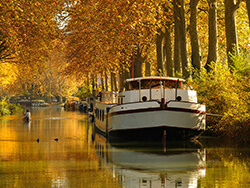
Barge river cruises in France
River cruises in France are the next luxury holiday destination. Cruise your private barge with cook down the French rivers.
Read more..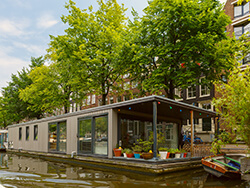
Rent a houseboat in Amsterdam
A houseboat is a great place to stay when visiting Amsterdam. Stay close to the city center but have a lot of private space.
Read more..